
July 21, 2026
/
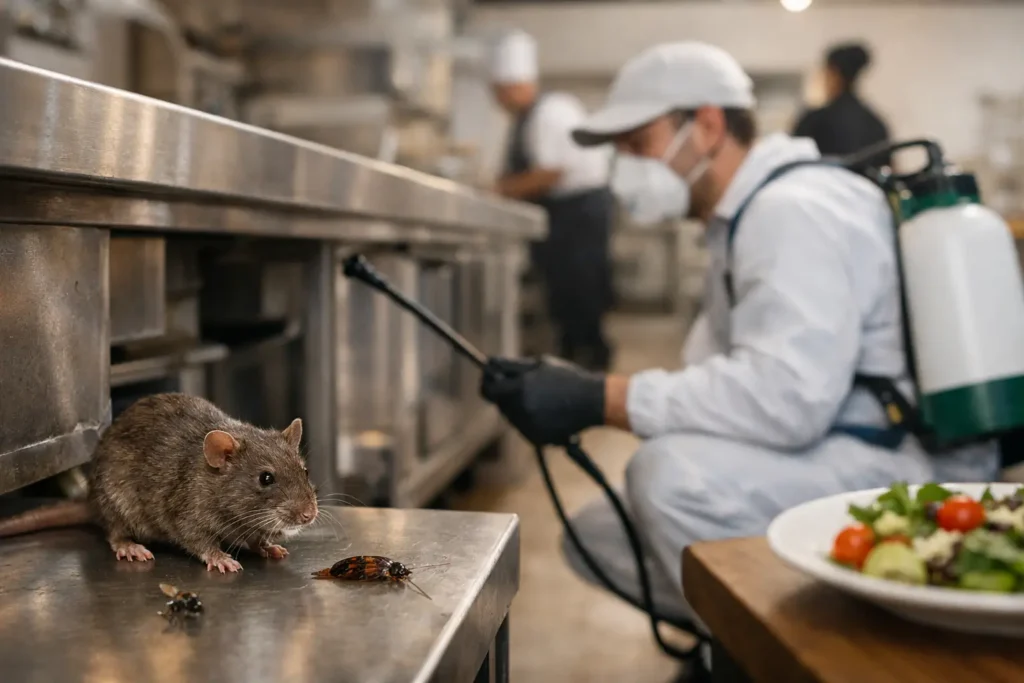
A cockroach under a prep table, fruit flies near the bar, or rodent droppings in a dry-storage area can become much more than an unpleasant surprise. For a restaurant, pests can threaten food safety, disrupt service, damage inventory, and put hard-earned customer trust at risk. Restaurant pest control services give operators a practical way to find the source of the problem, address it quickly, and keep pests from returning.
Restaurants are especially attractive to pests because they provide what pests need most: food, water, warmth, and hiding places. A clean dining room matters, but pest prevention has to reach far beyond what guests can see. Kitchens, floor drains, dumpsters, receiving doors, utility rooms, storage shelves, ceiling voids, and exterior landscaping all play a part.
Why Restaurants Need Ongoing Pest Protection
A single treatment may solve an immediate issue, but restaurant pest control is rarely a one-time job. Pest activity changes with the weather, food deliveries, nearby construction, plumbing issues, and the daily movement of employees and vendors. Warm temperatures and humidity can create long pest seasons, while rodents often move indoors when cooler weather arrives.
The most effective approach combines inspection, treatment, sanitation guidance, exclusion work, and regular monitoring. This gives restaurant owners a clear record of what is happening on the property and allows small concerns to be handled before they become a health inspection problem or a customer complaint.
Ongoing service also creates accountability. A trained technician gets to know the building, the pressure points, and the history of activity. That familiarity makes it easier to spot a new concern quickly, whether it is ants around a beverage station or signs of mice near a rear delivery entrance.
The Pests That Cause the Biggest Restaurant Problems
Cockroaches are among the most serious concerns in food-service environments. They can hide behind equipment, inside wall voids, around drains, and beneath shelving, often becoming active after closing. Seeing one during operating hours may mean there is activity nearby, but it does not always reveal the full scope of the problem. A professional inspection helps identify harborages and the conditions allowing roaches to survive.
Rodents create a different kind of risk. Mice and rats can contaminate food and surfaces, chew wiring, damage packaging, and enter through surprisingly small gaps. A restaurant may be spotless inside and still have a rodent issue if exterior doors do not seal properly, utility penetrations are open, or dumpster areas are attracting activity.
Flies can move quickly from nuisance to major concern. Drain flies, fruit flies, house flies, and blow flies each have different breeding and feeding habits. The right response depends on the species and source. Treating adult flies without addressing a drain buildup, spilled syrup, overripe produce, or outdoor sanitation issue usually provides only temporary relief.
Ants, stored-product pests, spiders, and occasional invaders can also affect operations. While not every insect sighting signals an infestation, a restaurant should not have to guess. Early identification helps determine whether a targeted treatment, sanitation correction, exclusion repair, or a combination of services is needed.
What Restaurant Pest Control Services Should Include
Reliable restaurant pest control services begin with a thorough evaluation, not a quick spray-and-go visit. A technician should inspect the kitchen, dining areas, storage rooms, exterior perimeter, waste areas, entry points, and other places where pests may live or gain access. The goal is to understand both the pest and the conditions supporting it.
From there, the service plan should fit the restaurant’s operation. A busy full-service restaurant, a quick-service location, a bakery, and a small café do not face the same pest pressures. Food storage practices, hours of operation, equipment layout, landscaping, and proximity to neighboring businesses all matter.
A strong program commonly includes scheduled inspections, targeted treatments, monitoring devices where appropriate, documentation, and recommendations for prevention. It should also include clear communication. Restaurant managers need to know what was found, what was done, and what steps their team can take between visits.
For rodent concerns, exclusion is often just as important as trapping or baiting. Closing gaps around pipes, repairing door sweeps, screening vents, and correcting exterior access points can reduce repeat activity. For cockroaches and flies, sanitation and moisture control frequently make the difference between short-term improvement and lasting results.
Prevention Starts With Daily Restaurant Habits
Professional service works best when it is supported by consistent daily practices. Restaurant teams do not need to become pest experts, but they do need a routine for recognizing and reporting conditions that attract pests.
Food should be stored in sealed containers when possible and kept off the floor. Dry goods should be checked regularly for damaged packaging or signs of stored-product pests. Grease buildup, crumbs under equipment, standing water, and overflowing trash create opportunities that pests will find quickly.
Employees should also pay attention to signs such as gnaw marks, droppings, insect activity around drains, unusual odors, or gaps around doors. Reporting those details early allows the pest control provider to investigate before the issue affects service. A small sighting is not a reason for panic, but it is always a reason to look closer.
Exterior areas deserve attention, too. Dumpster lids should remain closed, grease containers should be maintained, and vegetation should not create easy pathways against the building. Door sweeps and weather stripping should be in good repair. These details may seem minor, but pests often enter through the openings and conditions no one notices during a busy shift.
Choosing a Local Partner for Restaurant Pest Control
Restaurant operators need more than a provider who arrives on schedule. They need a partner who understands that a pest issue can affect employees, guests, inspections, online reviews, and revenue. Fast response matters, especially when there is active rodent or cockroach activity in a food-handling area.
Look for licensed, certified technicians who can explain the issue in plain language and recommend practical next steps. Ask how service documentation is handled, what happens if activity is found between regular visits, and whether the provider can address related needs such as rodent exclusion, stinging insects, or wildlife concerns around the property.
Local experience matters because pest pressure is local. A company serving West Tennessee & Arkansas understands the seasonal conditions, termite and moisture concerns, and common entry-point issues that affect businesses across the area. At 901 Pest Control, our family-owned team brings more than 50 years of pest and termite experience to commercial properties, with personalized service and a satisfaction guarantee built around protecting your business.
When to Call for Service Right Away
Some issues should not wait for the next scheduled visit. Call promptly if you see rodents inside the building, cockroaches in food-preparation or storage areas, repeated fly activity that does not improve with cleaning, fresh droppings, chewed packaging, or insects emerging from drains or wall voids.
It is also wise to request an evaluation after a plumbing leak, renovation, flooding, a change in waste handling, or a neighboring tenant’s pest problem. These events can change conditions quickly and may create new entry points or harborage areas.
The right pest control plan protects more than your building. It helps protect the experience every guest has when they walk through your door. A free pest evaluation can give your restaurant a clear starting point, practical recommendations, and the confidence that small warning signs will not be left to grow into a bigger problem.